Aug 02, 2026
•
9 mins read
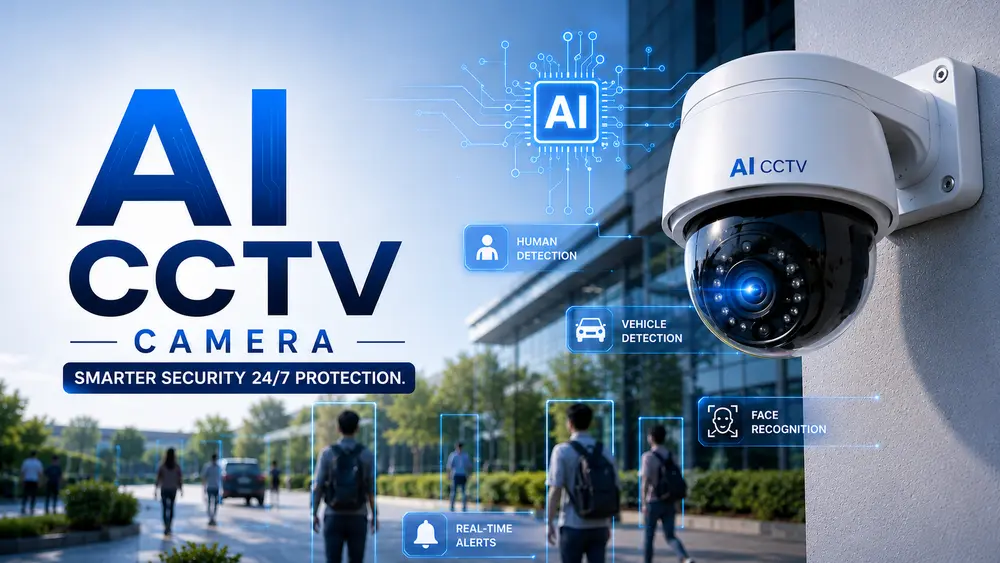
An AI CCTV camera is a security camera that doesn't just record what's happening, it actually understands what it's looking at. A normal camera captures video and leaves the thinking to a human watching the screen later. An AI camera does some of that thinking itself, in real time, which is the single biggest reason this technology has become so popular for homes, shops, offices, and schools over the last few years.
What Is an AI CCTV Camera?
An AI CCTV camera is a security camera built with artificial intelligence and computer vision, which lets it recognize what's actually in the frame instead of just detecting that something moved. It can tell the difference between a person walking past, a car parked outside, a delivery package left at the door, and a stray dog crossing the yard. A regular camera sees all of these as "motion." An AI camera sees them as different things, and reacts differently to each one.
This matters more than it sounds. A traditional motion-sensor camera sends you an alert every time a tree branch sways or a shadow shifts, which trains most people to ignore notifications altogether after a week. An AI camera filters that noise out and only alerts you for things that actually matter, like a person standing near your gate for too long or a vehicle entering a restricted area.
How Does an AI CCTV Camera Work?
The camera uses machine learning models trained on huge amounts of video data to recognize patterns, such as what a human shape looks like versus a moving branch, or what a normal walking pace looks like versus someone loitering. Once trained, the camera applies this understanding to your live footage in real time, which is what allows it to label and react to events as they happen, not after someone reviews the recording later.
Over time, some AI systems get better at recognizing patterns specific to your property, learning what's "normal" for that particular camera's view and flagging anything that breaks from it. This is different from older systems, which simply detect pixel changes without understanding what caused them.
AI CCTV Camera vs Traditional CCTV Camera
| Feature | Traditional CCTV | AI CCTV Camera |
|---|---|---|
| What it detects | Any motion or pixel change | Specific objects: people, vehicles, animals, packages |
| Alerts | Frequent, often false (trees, shadows) | Fewer, more accurate, based on real activity |
| Facial recognition | Not available | Available on many models |
| Behavior analysis | Not available | Can flag loitering, crowding, or unusual patterns |
| Search through footage | Manual review, frame by frame | Search by event type, like "show me every vehicle today" |
| Integration | Limited | Works well with access control and other smart systems |
Key Features to Know
- Person and vehicle detection: the camera tells the difference between a human, a car, and other movement, so you're not getting alerts for every leaf that blows past the lens.
- Facial recognition: some AI cameras can recognize familiar faces, useful for knowing when a family member or known employee arrives, though this feature comes with privacy considerations worth thinking through before enabling it.
- License plate recognition (LPR): useful for gated communities, offices, or schools that want to log which vehicles enter and exit.
- Behavior and pattern analysis: the camera can flag things like someone standing near a gate for an unusually long time, or a crowd forming where one normally doesn't, which goes beyond simple object detection.
- Smart search: instead of scrubbing through hours of footage manually, you can search recordings by event, like "show every clip with a vehicle" or "show every person detected after 10 PM."
- Package and delivery detection: the camera specifically recognizes when a package is dropped off, and some models can alert you again if it's picked up by someone other than you.
Where AI CCTV Cameras Are Actually Used
AI cameras aren't limited to one type of property. They're being used across a wide range of settings:
- Homes: intrusion alerts, package theft prevention, and remote monitoring that actually distinguishes a stranger from a family member
- Shops and retail: loss prevention, footfall counting, and understanding customer movement patterns
- Offices and warehouses: access monitoring, safety compliance checks, and workflow tracking
- Schools: safeguarding students, monitoring unauthorized access, and providing situational awareness during emergencies
- Gated communities and residential complexes: vehicle logging, visitor tracking, and perimeter monitoring across a larger area than a single home would need
Benefits of Switching to AI CCTV
Fewer false alerts: since the camera understands what it's seeing, you stop getting notifications for every passing car headlight or moving curtain.
Faster response: real-time recognition means alerts reach you the moment something relevant happens, not after someone reviews hours of footage the next day.
Better use of footage: searching by event type instead of scrubbing through a full day's recording saves real time when you actually need to find something specific.
Scales with your needs: many AI systems integrate with access control, alarms, and other smart building systems, so your camera setup isn't working in isolation from everything else.
Is an AI CCTV Camera Worth the Extra Cost?
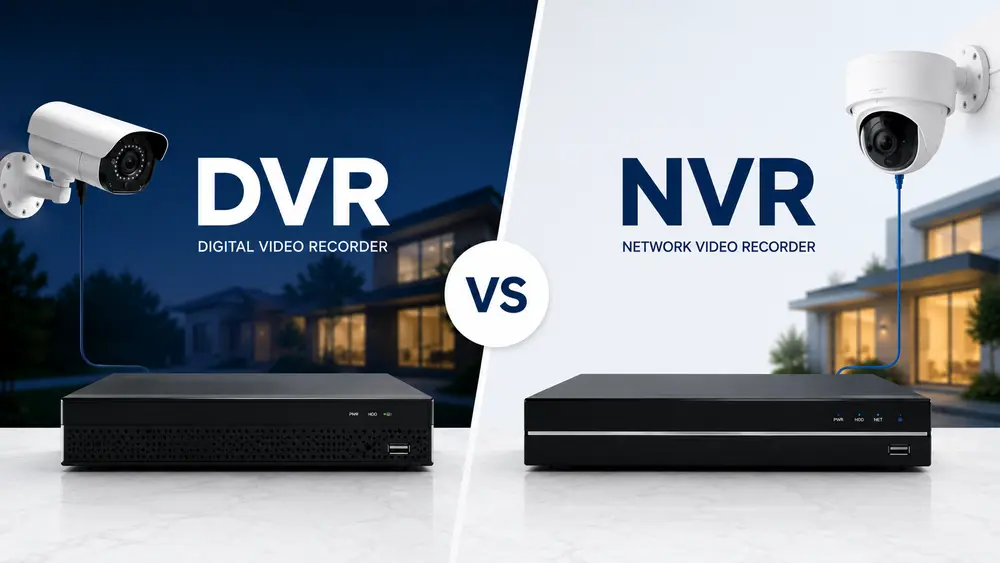
AI cameras generally cost more than standard CCTV cameras, both in the camera itself and sometimes in the NVR or software needed to run the analytics. Whether that extra cost is worth it comes down to what you actually need:
- For a small home with a couple of entry points, standard cameras with basic motion detection may already cover what you need without paying for features you won't use.
- For a shop, office, gated community, or school with more people passing through and more that could go wrong, the reduction in false alerts and the ability to search footage by event usually pays for itself in time saved and better incident response.
Conclusion
AI CCTV technology is genuinely useful, but it's not a one-size-fits-all upgrade, the right setup depends on your property, your budget, and what you actually need to monitor. If you'd rather have someone assess your space and recommend the right mix of AI and standard cameras instead of guessing from a spec sheet, Raj Communication can help. Call +91 9569 493988 or message us on WhatsApp at +91 9369 988 602 for a free consultation.
Frequently Asked Questions
What is an AI CCTV camera?
An AI CCTV camera is a security camera that uses artificial intelligence and computer vision to recognize what's in the frame, such as people, vehicles, or packages, instead of just detecting general motion like a traditional camera does.
How is an AI camera different from a normal CCTV camera?
A normal CCTV camera detects any movement and treats it the same way, often causing frequent false alerts. An AI camera identifies what caused the movement and only sends alerts for activity that actually matters, like a person or vehicle rather than a swaying tree.
Can AI cameras recognize faces?
Many AI cameras support facial recognition, which can identify familiar faces such as family members or employees. This feature is optional on most systems and comes with privacy considerations worth thinking through before turning it on.
Are AI CCTV cameras expensive?
Yes, generally more expensive than standard CCTV cameras, since they need more processing power and often work with AI-capable NVR systems. The extra cost tends to be worth it for properties with more foot traffic or more complex security needs.
Do AI cameras work with existing CCTV systems?
Many AI cameras can connect to NVR systems that support AI-based video analytics and smart search. For the best results, it's usually recommended to keep the cameras and recorder from the same brand.
Also Read: